
Green or living roofs are popular on Auckland commercial and architectural builds for insulation, stormwater and amenity benefits, but they are a serious construction commitment. The structure must carry the saturated weight, and a root-resistant waterproof membrane is the part that must never fail. For most homeowners a reflective or insulated conventional roof gives similar comfort with far less complexity.
| Benefits | Requirements and reality |
|---|---|
| Improved insulation and reduced heat gain | A structure designed or verified for significant saturated weight |
| Stormwater absorption that eases the drainage load | A robust, root-resistant waterproof membrane that must never fail |
| Longer membrane life, shielded from UV | Drainage layers, filter fabric and growing medium above it |
| Amenity and biodiversity value in dense areas | Not zero-maintenance: planting care, clear outlets and periodic membrane checks |
Green or living roofs are increasingly popular on Auckland commercial and architectural builds for their insulation, stormwater and amenity benefits. They are also a serious construction commitment. The waterproofing and structure beneath the planting matter far more than the plants on top.
What Are the Benefits of a Green Roof?
- Improved insulation and reduced heat gain
- Stormwater absorption that eases drainage load
- Longer membrane life, shielded from UV
- Amenity and biodiversity value in dense areas
Why Do Structure and Waterproofing Come First?
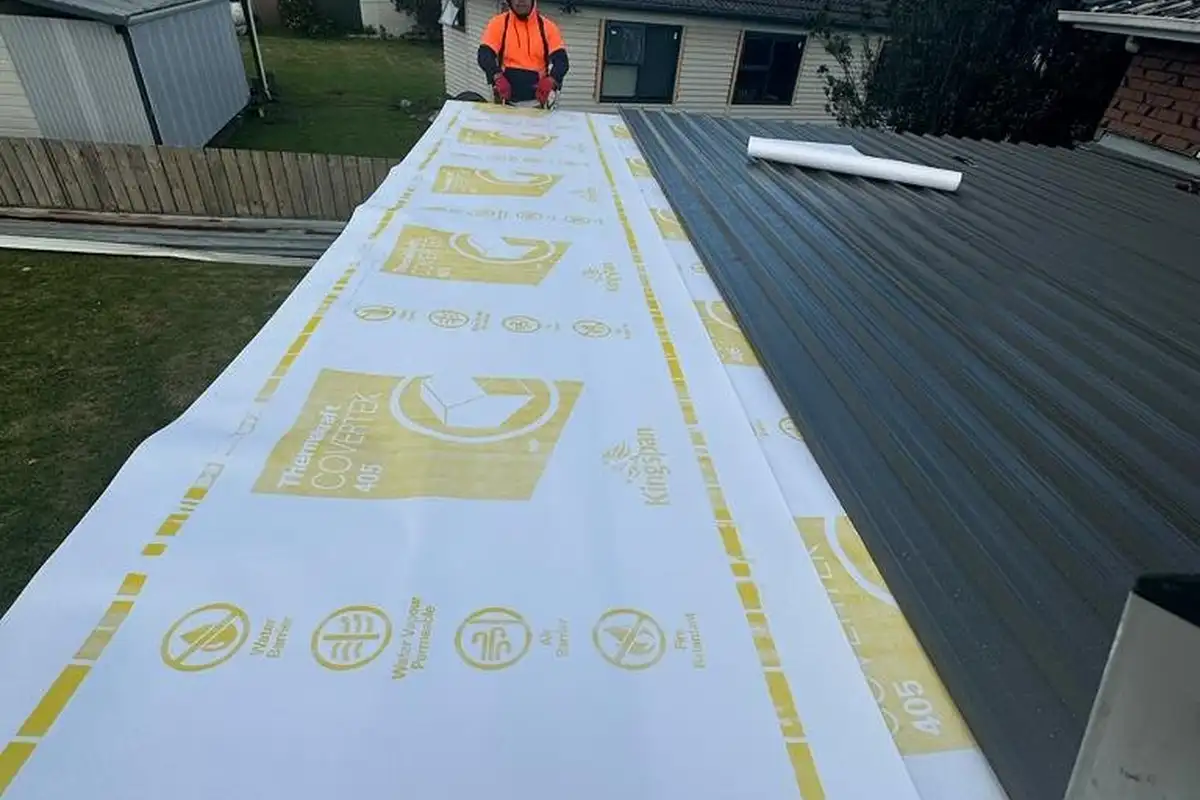
A living roof adds significant saturated weight, so the structure must be designed or verified for the load. Above that sits a robust, root-resistant waterproof membrane — the part that must never fail. Drainage layers, filter fabric and growing medium build up from there. Getting the membrane and root barrier right is the whole game.
What Is the Maintenance Reality of a Green Roof?
Living roofs are not zero-maintenance. Planting needs establishment care, outlets must stay clear, and the membrane should be inspected at accessible points. For most homeowners a high-performance reflective or insulated conventional roof delivers similar comfort with far less complexity — we will give you a straight comparison.
What Questions Do Auckland Homeowners Ask?
Are green roofs worth it in Auckland?
They offer real insulation, stormwater and amenity benefits, but demand strong structure and flawless waterproofing. They suit commercial and architectural projects more than typical homes.
Can any roof become a green roof?
No. The structure must carry the saturated weight, and a root-resistant membrane is essential. We assess structure and waterproofing before recommending one.
Do green roofs need maintenance?
Yes — planting care, clearing outlets, and periodic membrane checks. They are lower-maintenance than a garden but not maintenance-free.
Is a green roof or a reflective roof better for heat?
Both reduce heat gain. A reflective or insulated conventional roof achieves comfort with less weight and complexity; a green roof adds amenity. We compare both for your building.
Every roof and property is different, so the most reliable next step is an on-site assessment. Our registered, insured Auckland team gives free no-obligation inspections and clear written quotes — repair where repair makes sense, replacement only when it is genuinely better value. Call 022 501 9921 or visit our Commercial Roofing Auckland page, or book a free inspection online.
What else should you know?
What is a green roof made of?
A living roof builds up from the structure, which must carry the saturated weight, through a robust root-resistant waterproof membrane, then drainage layers, filter fabric and the growing medium. Getting the membrane and root barrier right is the whole game, because the waterproofing matters far more than the plants on top.
Topics covered
- green roofs auckland
- living roof nz
- green roof cost nz
- living roof auckland
- rooftop garden nz