
Lead flashing is durable and malleable, so it suits complex junctions such as chimneys, parapets and heritage details. It can leach into roof runoff, so it is avoided on roofs that collect drinking water, and it needs careful handling. Lead-free alternatives such as coated steel, aluminium and flexible composites now match many of its sealing abilities.
| Question | Answer |
|---|---|
| Where is lead used? | Chimneys, parapets and intricate heritage details, because it can be dressed tightly over irregular shapes |
| What are the concerns? | It can leach into roof runoff and needs careful, safe handling during work |
| Where is it avoided? | On roofs that collect drinking water |
| What are the alternatives? | Coated steel, aluminium and flexible composite flashings |
| Should existing lead be removed? | Not necessarily — sound lead can remain, but replace it if you collect roof water or it is failing |
Lead has been used for roof flashings for centuries because it's malleable, durable and seals awkward junctions beautifully. Modern concerns have changed how and where it's used. Here's a balanced look for New Zealand homeowners.
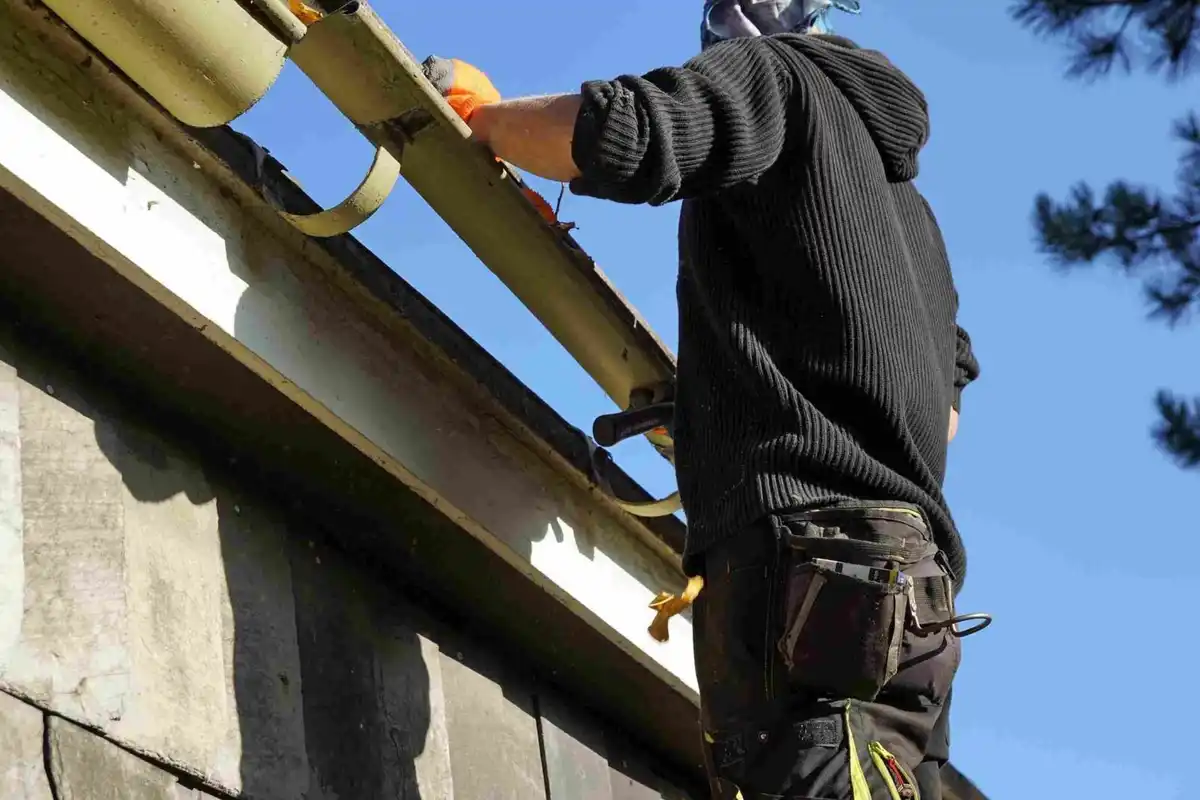
Where Is Lead Flashing Used?
Lead suits complex junctions — chimneys, parapets, and intricate heritage details — because it can be dressed tightly over irregular shapes that rigid flashings can't follow. On older and character homes, lead flashing is often original and part of the building's fabric.
What Are the Concerns With Lead Flashing?
Lead can leach into roof runoff, which matters where roofs collect drinking water — see our roof materials and drinking water guide. It also requires careful, safe handling during work. For these reasons, lead is avoided on water-collection roofs and increasingly replaced with safer materials elsewhere.
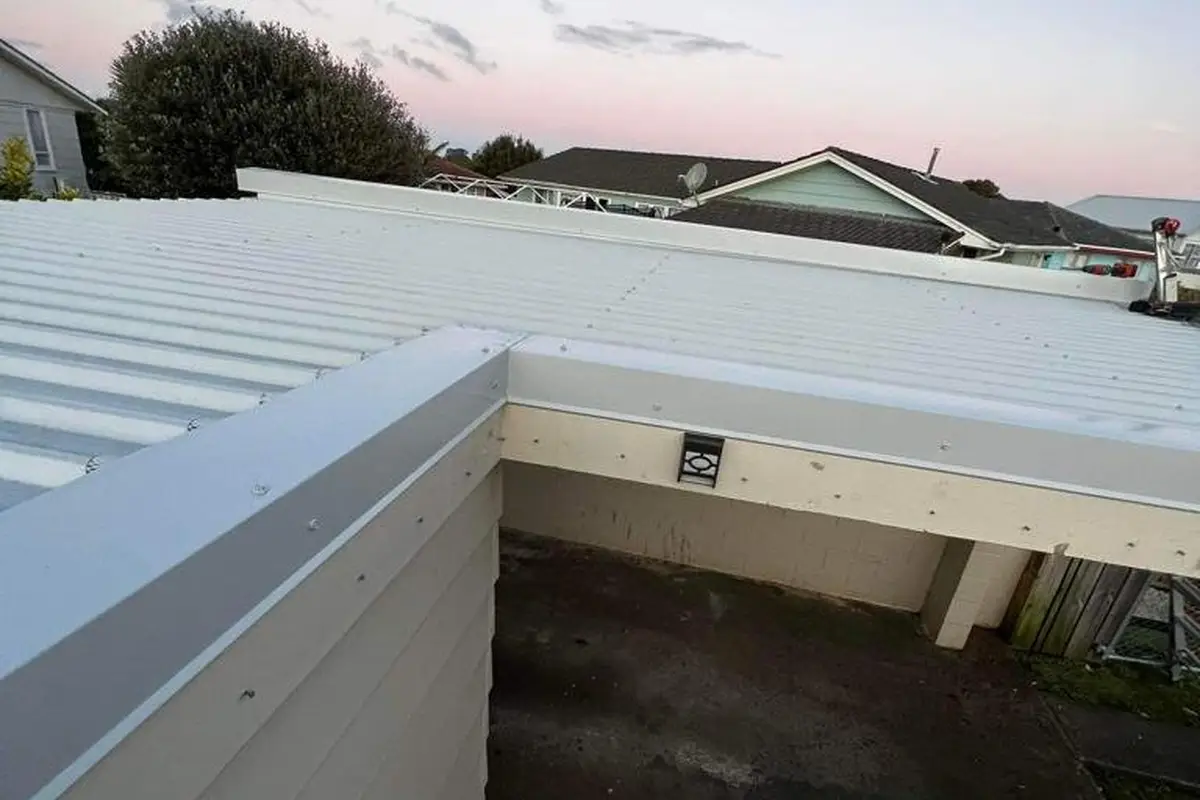
What Are the Modern Alternatives to Lead Flashing?
Lead-free flashings — coated steel, aluminium and flexible composite products — now match many of lead's sealing abilities without the water-quality concern. When we repair or replace flashings, we recommend the right product for your roof and whether it collects water.
What Questions Do Auckland Homeowners Ask?
Is lead flashing safe in NZ?
Lead is durable but can leach into roof runoff and needs careful handling. It's avoided on roofs that collect drinking water; alternatives are preferred elsewhere.
Should I remove existing lead flashing?
Not necessarily. Sound lead flashing can remain, but if you collect roof water or it's failing, replacing it with a lead-free product is wise.
What are alternatives to lead flashing?
Coated steel, aluminium and flexible composite flashings seal junctions well without the water-quality concern.
Does lead flashing last long?
Yes, lead is very durable. The decision to replace usually comes down to water collection, safety or deterioration rather than wear.
Every roof and property is different, so the most reliable next step is an on-site assessment. Our registered, insured Auckland team gives free no-obligation inspections and clear written quotes — repair where repair makes sense, replacement only when it is genuinely better value. Call 022 501 9921 or visit our Roof Repair Auckland page, or book a free inspection online.
What else should you know?
Why was lead used for roof flashings?
Lead has been used for roof flashings for centuries because it is malleable, durable and seals awkward junctions beautifully. It can be dressed tightly over irregular shapes that rigid flashings cannot follow, and on older and character homes lead flashing is often original and part of the building’s fabric.
Topics covered
- lead flashing roof nz
- lead head flashing
- roof flashing nz
- lead roof safety
- flashing alternatives