
Roof anchor points are fixed attachment points. Workers clip a harness to them, which arrests a fall before the roof edge. Anchors must be installed to the manufacturer’s specification into sound structure, certified and periodically re-tested. They are one fall-protection option alongside edge protection and scaffolding, chosen to suit the roof and the task.
| Requirement | What it means |
|---|---|
| Installed to manufacturer specification | Fixed into sound structure |
| Certified | Signed off before anyone relies on it |
| Re-tested periodically | An untested or poorly fixed anchor gives false confidence |
| Permanent anchors | Let cleaners and inspectors work safely for years afterwards |
Roof anchor points are fixed attachment points that let workers clip on harnesses for fall protection. On many Auckland roofs they are the practical way to work safely at height, whether the job is a roof repair or routine maintenance. Here is what homeowners should understand about them and the rules around working on roofs.
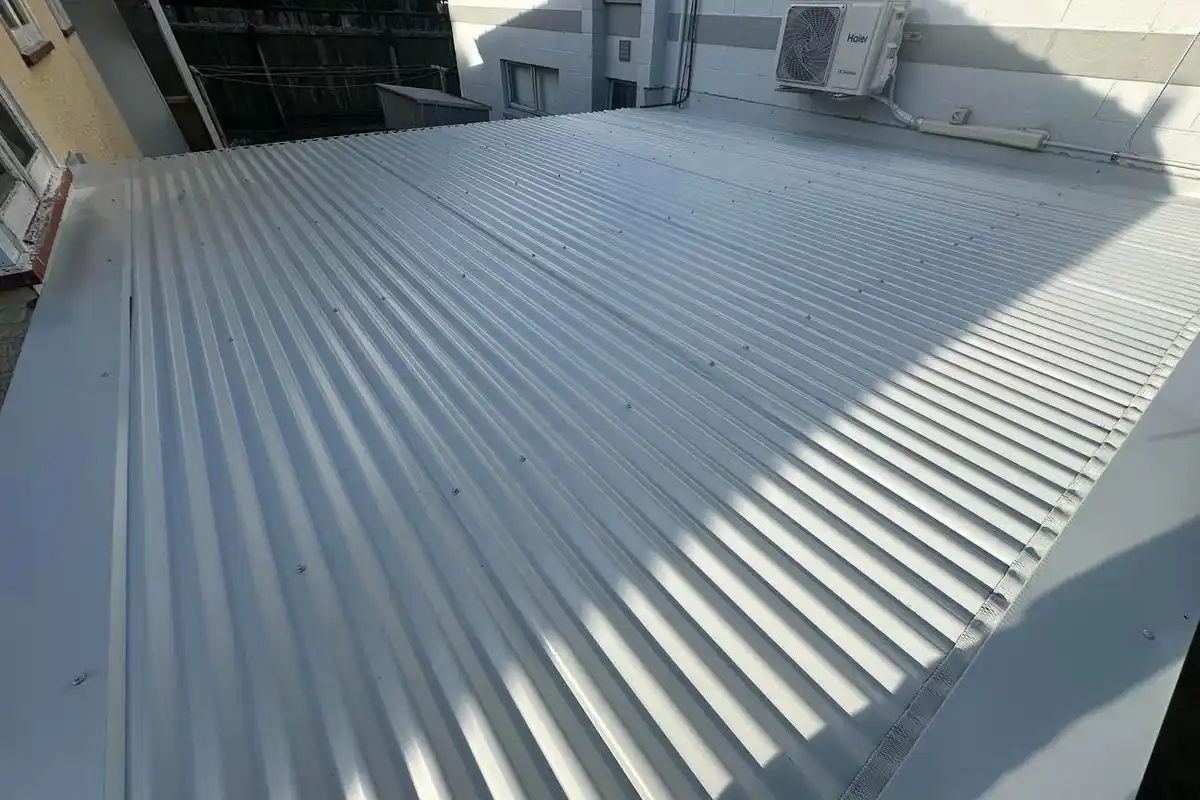
What Do Roof Anchor Points Do?
An anchor point is a structurally fixed attachment that a worker clips a harness and lanyard to, arresting a fall before they reach the edge. They are part of a wider fall-protection system. On steep or complex roofs where scaffolding or edge protection is impractical, anchors are often the right control.
When Are Roof Anchor Points Required?
Working at height carries serious risk, and any contractor must control it. The chosen method depends on the roof and task — edge protection, scaffolding, or a harness clipped to anchors. Permanent anchors also help future maintenance, letting cleaners and inspectors work safely for years afterward.
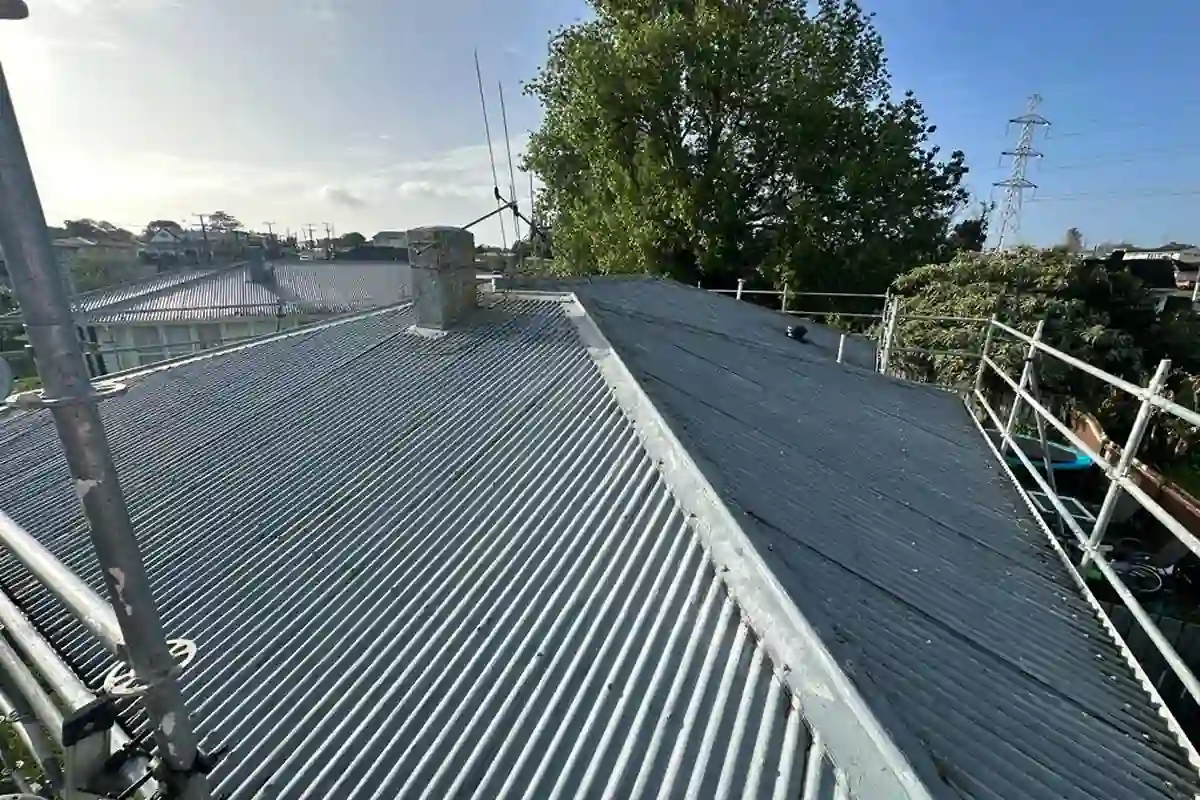
Why Does Certification Matter for Roof Anchor Points?
Anchor points must be installed to manufacturer specification into sound structure and certified, then re-tested periodically. An untested or poorly fixed anchor gives false confidence. Any reputable roofer works to proper height-safety controls — see our guide on working at height for the full picture.
What Do Homeowners Ask About Roof Anchor Points?
What are roof anchor points?
They are fixed attachment points a worker clips a harness to, arresting a fall before reaching the roof edge. They form part of a fall-protection system.
Are roof anchor points required in NZ?
Working at height risk must be controlled. Depending on the roof, the control may be edge protection, scaffolding or a harness clipped to certified anchors.
Do anchor points need certifying?
Yes. They must be installed to specification into sound structure, certified, and periodically re-tested. An untested anchor cannot be relied on.
Can permanent anchors help with maintenance?
Yes. Once installed and certified, they let cleaners and inspectors work safely on the roof for years, making future maintenance easier and safer.
Every roof and property is different, so the most reliable next step is an on-site assessment. Our registered, insured Auckland team gives free no-obligation inspections and clear written quotes — repair where repair makes sense, replacement only when it is genuinely better value. Call 022 501 9921 or visit our Roof Repair Auckland page, or book a free inspection online.
What else should you know?
When are anchor points used instead of scaffolding?
On steep or complex roofs, scaffolding or edge protection is often impractical. There, anchors are often the right control. The method depends on the roof and the task. Any contractor working at height must control the risk with edge protection, scaffolding or a harness clipped to certified anchors.
How often do roof anchor points need re-testing?
Anchor points must be re-tested periodically after they are installed and certified. The installer or manufacturer should set out the schedule. An untested or poorly fixed anchor gives false confidence. Keep the certification records for any roof that will need maintenance, cleaning or inspection.
What is roof fall protection?
Roof fall protection is the set of controls that stop a worker falling from a roof: edge protection, scaffolding, or a harness clipped to certified anchor points. Anchors arrest a fall before the worker reaches the edge, and the method chosen depends on the roof and the task. Anchors must be installed to specification into sound structure, certified and periodically re-tested.
Topics covered
- roof anchor points nz
- roof safety anchors
- fall arrest roof nz
- roof anchor certification
- working at height roof