
A wind zone is a rating of the wind load a building must withstand, based on location, terrain, topography and shelter. It sets how a roof must be fixed and detailed: higher zones need closer fixing spacing and stronger edge and ridge detailing. Coastal, hilltop and exposed Auckland sites typically sit in higher zones than sheltered suburbs.
| Topic | What applies |
|---|---|
| What a wind zone is | A rating of the wind load a building must withstand, from low to extreme, based on location, terrain, topography and shelter |
| Fixing spacing | Closer in higher wind zones |
| Profiles | Heavier-gauge or specific profiles where required |
| Detailing | Stronger ridge, edge and flashing detailing |
| Coastal sites | Corrosion-resistant fixings |
| Underlay and purlins | The correct spacing for the load |
| The mistake to avoid | Fixing to a lower zone than the site actually is leaves the roof vulnerable to lifting sheets and storm damage |
New Zealand classifies sites into wind zones, from low through to extreme, and that classification directly affects how a roof must be fixed and detailed. It is not a technicality — it is what keeps the roof on. Here is why wind zones matter for your roof.
What Wind Zones Are
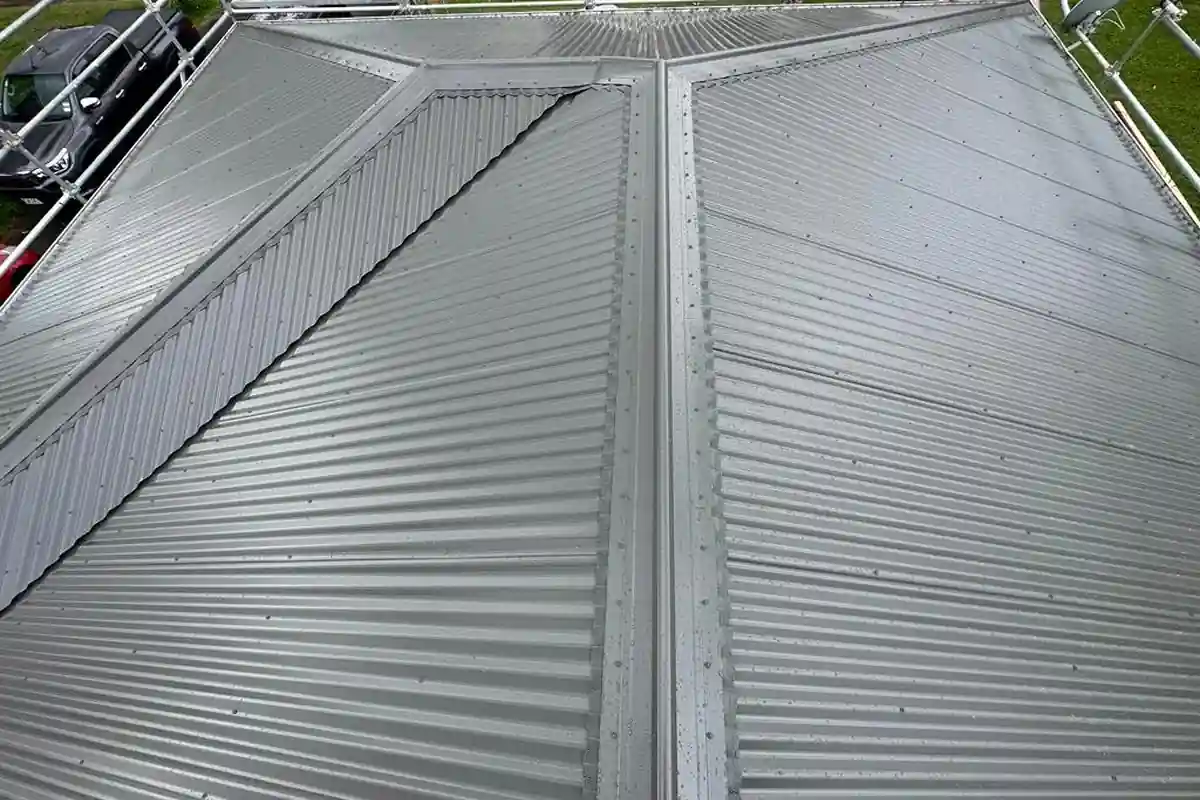
Wind zones rate the wind load a building must withstand, based on location, terrain, topography and shelter. Coastal, hilltop and exposed Auckland sites typically fall into higher zones than sheltered suburbs. The higher the zone, the greater the uplift forces the roof and its fixings must resist.
How They Affect the Roof
- Closer fixing spacing in higher wind zones
- Heavier-gauge or specific profiles where required
- Stronger ridge, edge and flashing detailing
- Corrosion-resistant fixings on coastal sites
- Correct underlay and purlin spacing for the load
Why It Matters for You
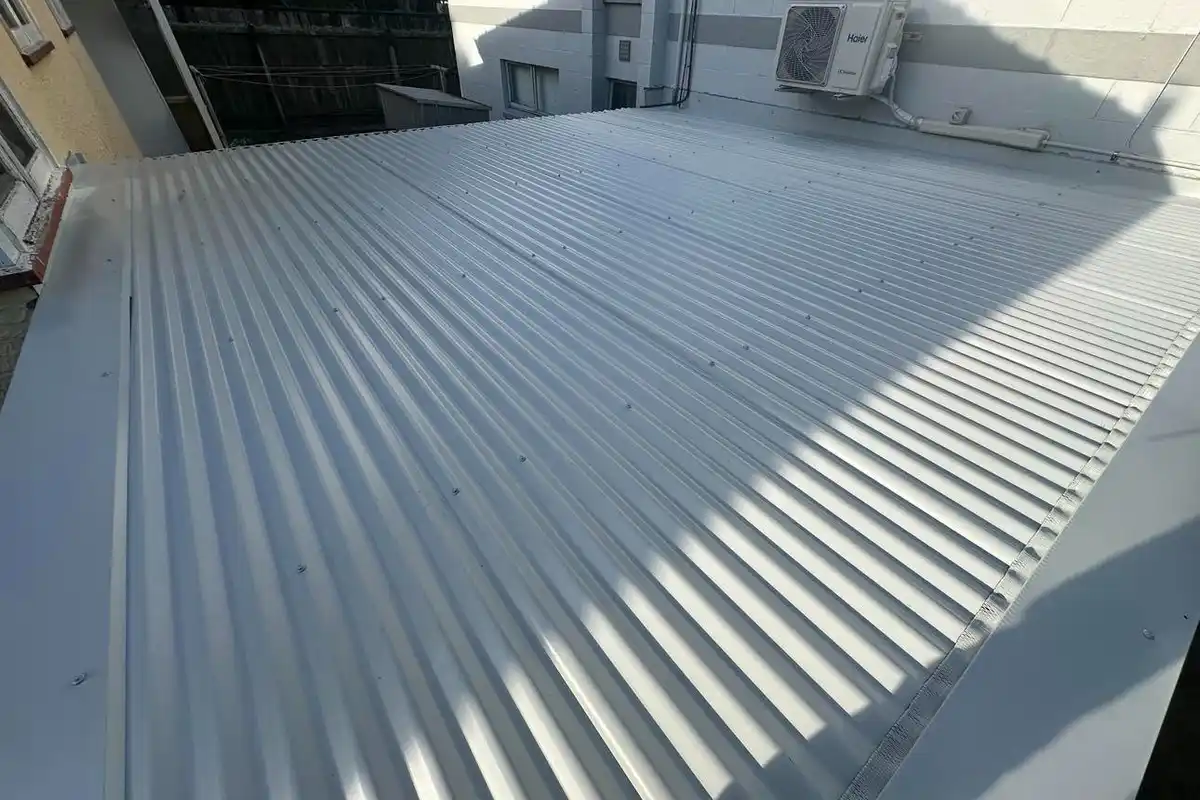
Fixing a roof to a lower wind zone than the site actually is leaves it vulnerable to lifting sheets and storm damage. Matching the fixing and detailing to the real zone is what prevents that. We assess your site's exposure and fix to the correct standard — our metal roofing and re-roofing work always accounts for wind zone.
What Questions Do Auckland Homeowners Ask?
What is a wind zone in NZ roofing?
A wind zone rates the wind load a building must withstand, from low to extreme, based on location, terrain and shelter. It sets how the roof must be fixed and detailed.
How does wind zone affect my roof?
Higher zones require closer fixing spacing, stronger edge and ridge detailing, and sometimes specific profiles, so the roof resists greater uplift forces.
Are coastal Auckland sites in higher wind zones?
Often yes. Coastal, hilltop and exposed sites typically sit in higher wind zones than sheltered suburbs, needing stronger fixing and corrosion-resistant fasteners.
Why does wind zone matter for re-roofing?
Fixing to the correct wind zone is what keeps sheets down in storms. We assess your site's exposure and detail the roof to the right standard.
Every roof and property is different, so the most reliable next step is an on-site assessment. Our registered, insured Auckland team gives free no-obligation inspections and clear written quotes — repair where repair makes sense, replacement only when it is genuinely better value. Call 022 501 9921 or visit our Metal Roofing Auckland page, or book a free inspection online.
What else should you know?
What happens if a roof is fixed for a lower wind zone than the site?
Fixing a roof to a lower wind zone than the site actually is leaves it vulnerable to lifting sheets and storm damage. Matching the fixing and detailing to the real zone is what prevents that, which means assessing the site’s exposure, using closer fixing spacing and stronger ridge and edge detailing where required, and corrosion-resistant fixings on coastal sites.
Topics covered
- wind zones roofing nz
- nz wind zones roof
- roof fixing wind zone
- high wind zone roofing
- coastal roof fixing nz