
Prepare your Auckland roof for winter. This checklist covers everything to inspect, clean, and fix before Auckland's wet season hits — from gutters to flashings.
Auckland winters are characterised by sustained heavy rain, strong westerly and northwesterly winds, and storm events that can cause significant roof damage. The period between April and September is when Auckland receives the majority of its annual 1,200mm+ rainfall. Preparing your roof before winter is one of the highest-value maintenance actions an Auckland homeowner can take — catching small problems in April prevents expensive emergency repairs in July.
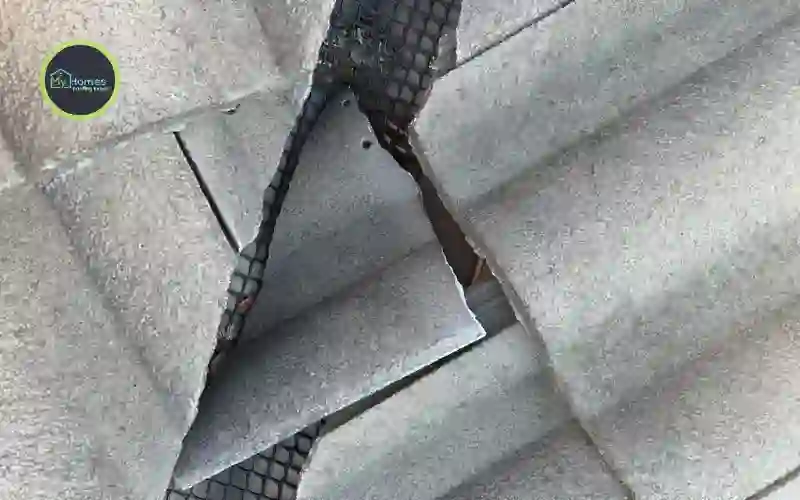
Auckland Winter Roof Maintenance Checklist
1. Clean and Inspect Gutters and Downpipes
Blocked gutters and spouting are the number one cause of winter water damage to Auckland homes. Autumn leaf fall — particularly from deciduous trees — blocks gutters rapidly. Before winter: clear all gutters of debris, flush with water to confirm flow to downpipes, check all downpipe outlets are clear and discharging to drainage, and inspect for rusted or sagging sections that may fail under winter load.
If winter reveals your spouting needs replacing rather than cleaning, our spouting replacement cost Auckland guide covers full 2026 pricing.
2. Check All Visible Flashings
Flashings around chimneys, skylights, vents, and parapet walls are the most common Auckland roof leak source. From ground level using binoculars, look for: lifted or cracked sealant around any penetration, visible rust on metal flashings, and separation at flashing-to-tile or flashing-to-metal junctions. Any suspected flashing issue should be assessed by a licensed roofer before the wet season. Our Auckland roof repair team can attend within days.
3. Treat Moss and Lichen
Autumn is the ideal time for Auckland moss treatment — applying biocide before winter rains activate moss and lichen growth. Moss that has been treated enters the wet season already dead or dying, reducing the biological load on your roof surface through winter. Don't leave moss treatment until spring — by then, winter moisture has already done its damage.
4. Check Ridge Capping (Tile Roofs)
On concrete tile roofs, ridge capping mortar cracks progressively with Auckland's wet-dry cycles. Cracked or missing ridge mortar allows direct water entry during sustained rain. Inspect ridge capping from ground level for visible cracks, gaps, or dislodged segments. This is particularly important on Auckland homes built 1980–2000 where original ridge mortar is now 25–40 years old.
5. Trim Overhanging Tree Branches
Tree branches overhanging your Auckland roof cause multiple problems: constant debris that blocks valleys and gutters, abrasion damage to roofing surfaces from swaying branches in wind, and potential major damage if branches break in winter storms. The ideal clearance is at least 1.5m between branch tips and the roof surface — enough to prevent contact in wind.
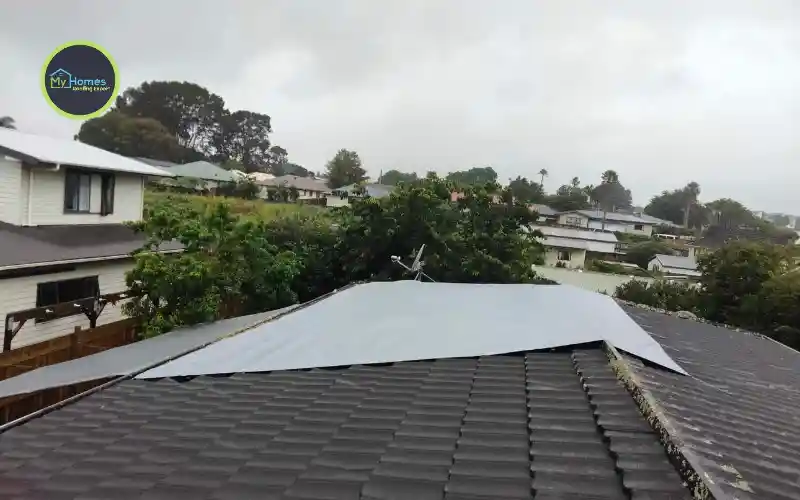
6. Check Roof Valleys
Roof valleys — the V-channels where two roof planes meet — concentrate water flow from both slopes. Partially blocked valleys cause water to back up and overflow under roofing material. Clear any visible debris accumulation in valleys. If valley gutters appear corroded or the protective coatings are failing, have them assessed before winter flow rates expose any weaknesses.
7. Book a Professional Pre-Winter Inspection
For homes over 15 years old, a professional pre-winter roof inspection provides peace of mind and catches issues invisible from ground level. Our team provides free on-site inspections across Auckland — typically identifying 2–4 minor issues per inspection that, if left untreated, would become significant leaks by mid-winter.
After a Winter Storm — Immediate Checks
After any significant Auckland storm, check from ground level for: dislodged tiles or lifted roof iron, damaged or sagging gutters, debris in valleys, and any new water entry inside the home. If active leaking is occurring, call our 24/7 emergency roof repair line on 022 501 9921 immediately.
What Questions Do Auckland Homeowners Ask?
When is the best time to service your roof in Auckland?
March–April (early autumn) is ideal — before winter rains arrive but while temperatures are still mild enough for comfortable work. This allows moss treatment, repairs, and cleaning to be completed with adequate drying time before sustained rainfall begins.
How often should Auckland gutters be cleaned?
At minimum, twice annually — once in April before winter and once in October after autumn leaf fall. Properties under heavy tree canopy may need quarterly cleaning to prevent dangerous blockages.
Book your pre-winter Auckland roof clean and inspection now — call 022 501 9921 before the wet season queue builds.
Topics covered
- winter roof maintenance Auckland
- Auckland roof winter checklist
- roof maintenance NZ winter
- prepare roof winter NZ
- Auckland roof inspection before winter
- seasonal roofing tips NZ