
To find a roof leak, read the ceiling stain, follow staining uphill in the roof space on a dry day, then inspect the exterior from the ground or a ladder. Water rarely drips directly below its entry point, because it tracks along rafters. Call a professional if a stain is growing or you cannot reach the roof safely.
| Step | What to do |
|---|---|
| 1. Read the ceiling stain | Mark the stain perimeter; a defined circular edge suggests an active drip from one point, a diffuse pattern suggests water tracking through insulation |
| 2. Check the roof space | On a dry day with a torch, follow water staining on rafters, battens and underlay uphill, and check around penetrations |
| 3. Inspect the exterior | From the ground with binoculars or a ladder at the eave: flashings, valleys, ridge capping, broken tiles and roof screw holes |
| 4. Hose test (with caution) | Work from the lowest point upwards in sections while a helper watches inside |
| Stop and call a professional | If the stain is growing rapidly, electrics are near the wet area, you cannot access the roof safely, or leaks appear in several places |
Finding the exact source of a roof leak is harder than most Auckland homeowners expect. Water entering a roof rarely drips directly below the entry point — it tracks along rafters, battens, and underlays, sometimes travelling several metres before appearing on your ceiling. This guide walks you through a systematic approach to roof leak detection, and tells you honestly when DIY diagnosis reaches its limits.
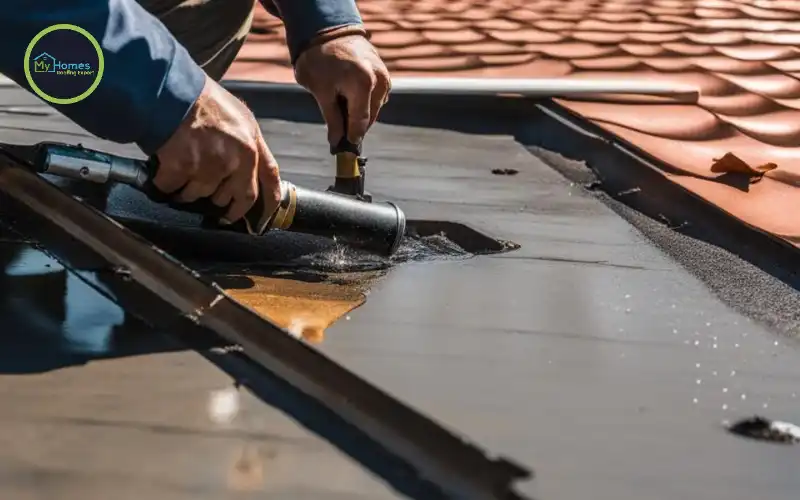
Step 1: How Do You Read the Ceiling Stain Pattern?
The ceiling stain tells you roughly where water is arriving at ceiling level — but not necessarily where it entered the roof. A stain on the south-facing bedroom ceiling could originate from a leak on the north slope that tracks along a rafter. Mark the stain perimeter with a pencil. Note whether the stain has a defined circular edge (active drip from a specific point) or a diffuse, spreading pattern (tracking through insulation).
Step 2: How Do You Check the Roof Space Safely?
On a dry day, check the roof space with a torch. Look for water staining on rafters, battens, and the underside of the underlay. Follow any staining uphill toward its highest point — that's where water most likely entered. Check around any penetrations (plumbing vents, electrical conduits, skylight frames) which are the most common entry points. Do not attempt roof space access if insulation or framing looks wet or if there's any electrical concern.
Step 3: What Should You Inspect on the Exterior?
From ground level using binoculars, or from ladder access to the eave (not walking on the roof), check the following common Auckland leak sources:
- Flashings: The metal strips around chimneys, skylights, and parapet walls. Cracked or lifted sealant around flashings is the single most common cause of Auckland roof leaks.
- Valley gutters: The V-shaped channels where two roof planes meet. Blocked or corroded valleys pond water and cause leaks.
- Ridge capping: On tile roofs, cracked or loose ridge mortar allows water ingress — particularly after Auckland's winter storms.
- Individual broken tiles: Visible cracks or displaced tiles on concrete tile roofs allow direct water entry.
- Roof screw holes: On metal roofs, lifted or corroded roof screws leave open penetrations.
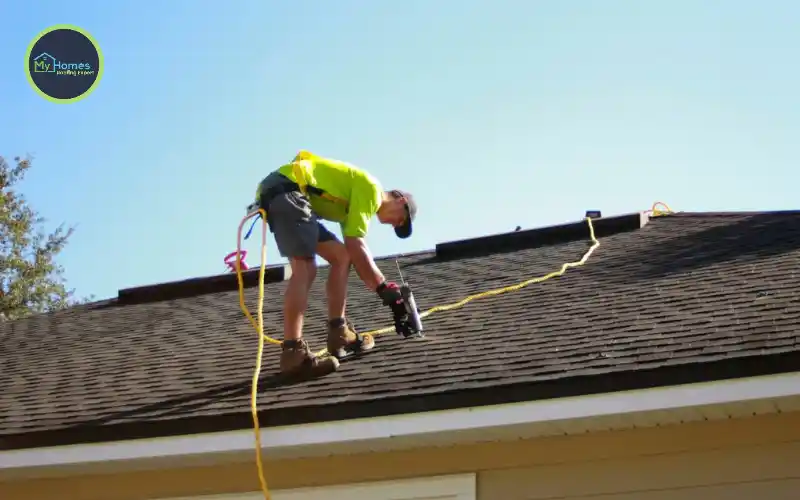
Step 4: How Does the Hose Test Work?
If you can safely access the roof, a systematic hose test can help confirm leak location. Start at the lowest point of the roof and work upward in sections, soaking each area for several minutes while a helper inside watches for drips. Move up one section at a time. This is time-consuming but highly effective for confirming a suspected leak location. Never do this in combination with electrical hazards near the suspected entry area.
When Should You Stop DIY and Call a Professional?
Call a professional Auckland roofer for leak diagnosis when: the ceiling stain is growing rapidly; there is any electrical fitting near the wet area; you cannot safely access the roof; the leak occurs in multiple locations simultaneously; or you've done a hose test and still can't identify the source. Our Auckland roof repair team uses systematic professional diagnosis for complex leaks.
For active leaks in heavy rain, call our 24/7 emergency line on 022 501 9921 immediately — we can deploy same-day.
What Questions Do Auckland Homeowners Ask?
Why does my roof leak only in heavy rain?
Leaks that only appear in heavy rain often indicate a marginal failure — small cracks, partially blocked valleys, or slightly lifted flashings that only allow water ingress under heavy flow conditions. These are still genuine issues requiring repair, but they're harder to diagnose in dry conditions.
Can I fix a small roof leak myself?
Minor repairs like resealing a visible flashing crack with roofing sealant are within DIY capability. However, misdiagnosing the leak source and sealing the wrong area can mask water paths and make professional diagnosis harder later. For anything more than a visible, obvious repair point, professional assessment is recommended.
Suspect a leak? Call 022 501 9921 for same-day Auckland roof leak diagnosis and repair across all suburbs.
What else should you know?
Where do roof leaks most commonly start?
The most common Auckland leak sources are flashings around chimneys, skylights and parapet walls, where cracked or lifted sealant is the single most common cause, followed by blocked or corroded valley gutters, cracked ridge capping mortar on tile roofs, individual broken tiles, and lifted or corroded roof screws on metal roofs.
Why is the ceiling stain not directly under the leak?
Water entering a roof rarely drips directly below the entry point. It tracks along rafters, battens and underlays, sometimes several metres, before appearing on the ceiling. A stain on a south-facing bedroom ceiling could originate from the north slope, so mark the stain perimeter and trace staining uphill in the roof space.
When should I stop DIY leak finding and call a roofer?
Call a professional when the ceiling stain is growing rapidly, an electrical fitting is near the wet area, you cannot safely access the roof, the leak occurs in several locations at once, or a hose test has not identified the source. For active leaks in heavy rain, an emergency roofer can deploy the same day.
Topics covered
- how to find roof leak NZ
- roof leak detection Auckland
- find roof leak yourself
- roof leak source NZ
- leaking roof Auckland DIY
- roof inspection NZ