
The right re-roof in New Lynn is set by the house's era. Older bungalows often need a full re-roof, usually in long-run steel. Tiled units from the later 1900s may restore, or may be at the end of their life. Newer terraces near the station mostly need maintenance. An inspection shows which group your home falls into.
Re-roofing New Lynn starts with knowing which era your house comes from. Re-roofing is the full replacement of a roof's cladding, usually with new underlay and flashings, rather than a patch repair. New Lynn grew on clay. Its brickworks and potteries drew workers in the early 1900s, and houses grew up around them. The town centre then changed again after the station moved into a trench in 2010. That history left the suburb with three kinds of roof, and each one ages differently.
This guide walks through those three eras, what usually fails on each, and what a re-roof involves. It also covers consent, asbestos and the local conditions that wear New Lynn roofs.
Who does roofing in New Lynn?
My Homes Roofing Expert covers New Lynn and the wider West Auckland area from our West Harbour base. We do re-roofing, repairs, restoration and painting. In New Lynn that means older homes reaching the end of their roof, mid-life tiled roofs that may still restore, and newer terraces that need upkeep. A free inspection tells you which one you have. Call 022 501 9921 for a no-obligation quote.
Why does New Lynn have such a mix of roofs?
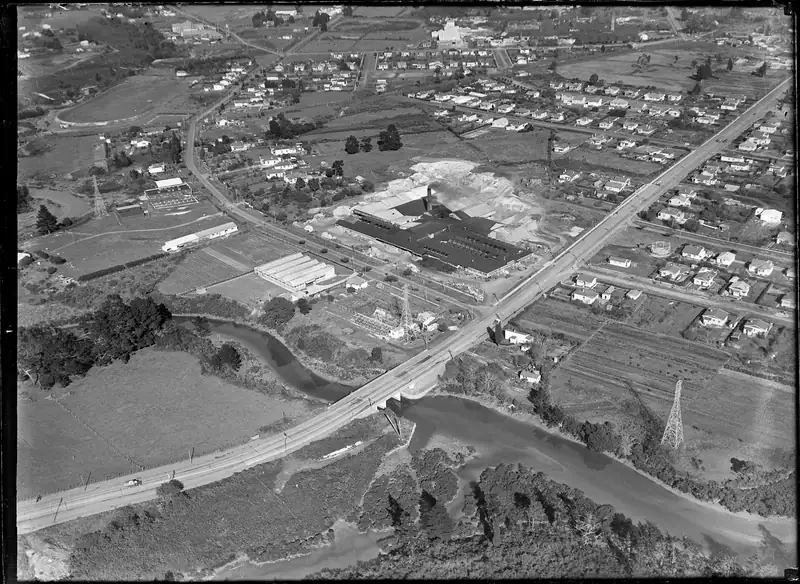
New Lynn was built on its clay. Local history records show that most of West Auckland's brick and clay works sat along the Whau River, many of them around New Lynn. In 1929 several firms merged into the Amalgamated Brick and Pipe Company, which later made Crown Lynn pottery. The works closed in 1989. Te Toi Uku, the Crown Lynn and Clayworks Museum, opened in New Lynn in 2015 and keeps that story alive.
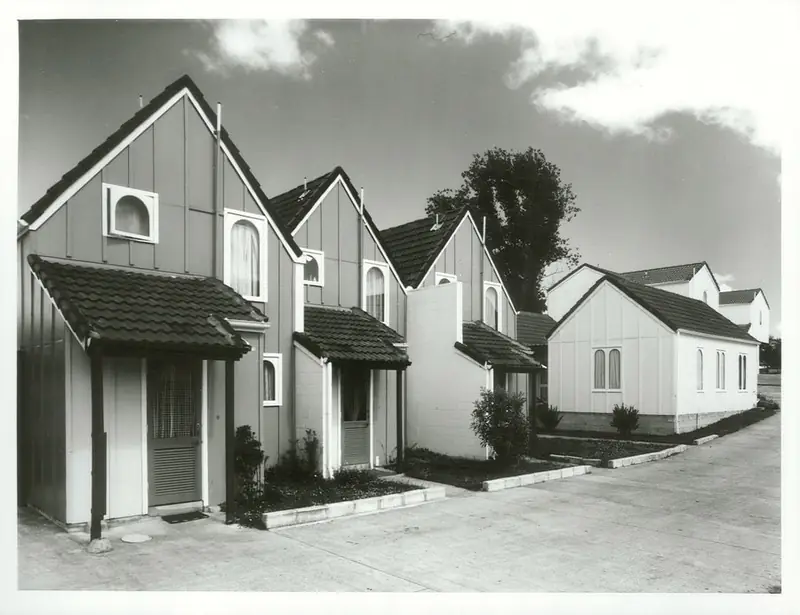
Houses followed the jobs. Early cottages and bungalows came first, then post-war homes. Later decades added tiled units and townhouses, like the Housing Corporation complex on Rata Street pictured below. Since 2010 the area near the station has filled with terraces and apartments. So a single New Lynn street can hold an old bungalow, a 1980s unit and a new terrace side by side.
What does each New Lynn housing era need from a re-roof?
The table sums up the three eras. The sections below explain each one.
| New Lynn housing era | Typical roof | What usually fails | Usual answer |
|---|---|---|---|
| Older bungalows and post-war homes | Corrugated iron or tile | Rust through the steel, loose fixings, tired flashings | Full re-roof, usually in long-run steel |
| Tiled units and townhouses, later 1900s | Concrete tile or pressed-metal tile | Porous or cracked tiles, failed underlay, chip loss | Restore if sound, re-roof if worn out |
| Terraces and apartments near the station, since 2010 | Low-pitch metal or membrane, internal gutters | Blocked outlets and box gutters | Regular maintenance and early repairs |
Older bungalows and post-war homes
These roofs are often corrugated iron or tile, and many are well past their design life. Rust that has gone through the steel, loose fixings and tired flashings all point to a full re-roof. The usual choice is lightweight long-run steel. We strip the old roof rather than cover it, for the reasons in our strip-off guide. That lets us check the battens and fit new underlay before the new roof goes on.
Tiled units and townhouses from the later 1900s
Concrete tile and pressed-metal tile are common on homes from these decades. Many sit at a fork. If the tiles are sound, a restoration can buy years. If they are porous, cracked or shedding chips, re-roofing is better value, as our restore-or-replace cost guide explains. Pressed-metal tile has its own failure pattern, covered in our decramastic replacement guide.
Joined units add one more step. If the units are unit-titled, the roof is often common property, so the body corporate makes the decision. Check your title before you get quotes.
Terraces and apartments near the station
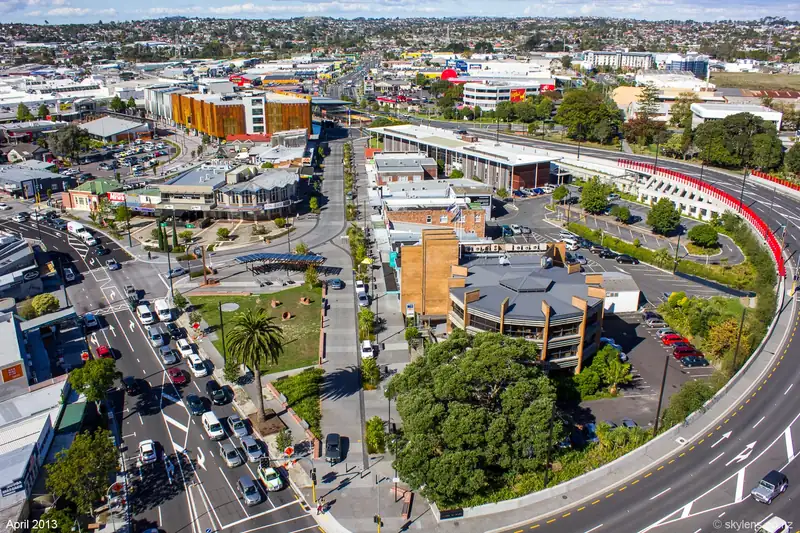
New Lynn's town centre was rebuilt around the station after 2010. The new homes there mostly have low-pitch metal, parapets and internal gutters. These roofs are rarely due for replacement yet. What they need is regular checks, clear outlets and early repairs, especially to box gutters, where small blockages turn into leaks inside the building.
Do you need building consent to re-roof in New Lynn?
Replacing a roof like for like is generally exempt from building consent. Changing the material or the weight can be different. Going from heavy concrete tile to long-run steel is a common example. MBIE's guide to consent exemptions for low-risk work sets out the rules. Our Auckland re-roofing consent guide explains how they apply here. We confirm the position with you before any roofing comes off.
Asbestos is the other check on older homes. Pre-1990s fibre-cement roofing and some older building products can contain asbestos. If we find a suspect material, it is tested before any work starts.
What local conditions wear New Lynn roofs?
The biggest local factor is shade and damp. Heavy clay soils, creek gullies and mature trees keep some sections damp for long periods. That brings moss and lichen, which hold water on the roof and shorten coatings. Our moss treatment and regrowth prevention guides cover the fix. On its own, moss is a maintenance job, not a reason to re-roof.
Mixed streets are the other factor. An old bungalow and a new terrace next door can need opposite advice. That is why we look at the specific roof rather than make a suburb-wide guess.
How much does re-roofing in New Lynn cost?
New Lynn prices sit within the normal Auckland ranges in our re-roofing cost guide. Roof area, pitch, complexity and access set the price. Most New Lynn sections have reasonable access, which helps. The bigger risk is the wrong call: paying to re-roof a tiled roof that would have restored, or patching one that is beyond saving. A proper inspection avoids both.
How do we stage a New Lynn roof?
We start on the roof and in the roof space. We check the cladding, fixings, flashings, underlay and gutters, and we photograph what we find. Then we tell you whether the roof needs a repair, a restoration or a re-roof, with a written quote for that option. For new builds near the station, our parent company My Homes Construct handles the construction side.

Ready to find out where your roof stands? Call 022 501 9921 or book an inspection.
What Questions Do Auckland Homeowners Ask?
Who does roofing in New Lynn?
My Homes Roofing Expert, from our West Harbour base. We re-roof, repair, restore and paint roofs across New Lynn.
What roofs do New Lynn homes have?
Corrugated iron or tile on older bungalows, concrete or pressed-metal tile on later units, and low-pitch metal on the new terraces.
When should an older roof be replaced?
When it is failing all over: rust through the steel, porous tiles, loose fixings and repeat leaks.
Do I need consent to re-roof?
Like-for-like is generally exempt. A change of material or weight may need consent, so check first.
Does New Lynn's clay history affect roofs?
Not directly. Damp, shaded sections grow more moss, which is a maintenance job.
Topics covered
- New Lynn roofer
- roofing New Lynn Auckland
- roof repair New Lynn
- West Auckland roofing
- New Lynn re-roof